
metalworkingmag.com
11
'26
Written on Modified on
Advanced CNC Hardware Generation for Industrial Machine Tool Applications
Siemens introduces a new hardware architecture for computer numerical control systems, delivering enhanced computing performance and establishing a foundation for artificial intelligence integration.
www.siemens.com
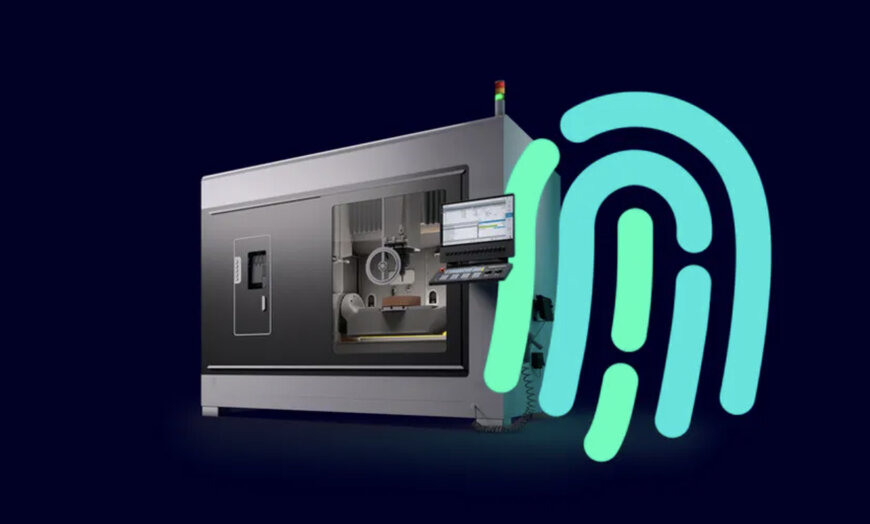
The latest hardware generation for the Sinumerik One computer numerical control system integrates upgraded processors and a modernized graphics architecture to address demanding technological requirements in the manufacturing industry. This updated platform provides the processing infrastructure necessary for data-driven optimization and the deployment of artificial intelligence within industrial machine tools.
Processor Upgrades and Data Communication Performance
At the core of this engineering update are the NCU 1740.2 and 1760.2 processor models, which deliver significantly higher computing power to enhance data processing and communication performance. This configuration is augmented by a new application-specific integrated circuit designed dedicatedly for programmable logic controller functionality. This specialized hardware component provides additional processing capabilities within the Profinet environment, ensuring stable and rapid data processing across highly connected production floors. The architecture supplies the performance headroom required to support demanding applications and future industrial network expansions while maintaining long-term availability.
Graphics Architecture and Operator Interface Capabilities
A high-performance graphics processor has been integrated to support advanced human-machine interface concepts characterized by intuitive visualization and operational clarity. This graphical capability allows machine tool builders to differentiate their equipment through improved usability. Consequently, manufacturing facilities benefit from greater operational efficiency, which manifests as reduced setup times and lower baseline training requirements for machine operators.
Technical Foundation for Artificial Intelligence Integration
The transition to a 64-bit system architecture aligns the control platform with the operational requirements of data-intensive manufacturing applications. This structural upgrade establishes the technical prerequisite for incorporating artificial intelligence algorithms and connecting the machine tool directly to higher-level analytics systems. Equipment utilizing this hardware can integrate seamlessly into data-driven optimization workflows aimed at improving component quality, refining machining processes, and facilitating predictive maintenance. Furthermore, the architecture supports the continuous connectivity to cloud and edge computing infrastructures necessary for executing complex industrial artificial intelligence tasks.
Compliance with Industrial Cybersecurity Regulations
Growing interconnectivity in manufacturing increases the strictness of security requirements for industrial control systems. The entire hardware portfolio is engineered to comply with the European Union Cyber Resilience Act, meeting specific regulatory demands regarding long-term updateability and inherent product security. The increased computing capacity of the new processors enables the active implementation of advanced security mechanisms without degrading machine performance. This focus on system resilience and maintainability ensures that machine builders and facility operators can design and deploy their equipment in full alignment with international cybersecurity regulations.
Additional Context
This section details technical specifications and competitive benchmarking not included in the original product announcement
The market for high-end computer numerical control hardware is heavily concentrated, with the primary competitive alternatives to the Sinumerik platform manufactured by FANUC, Heidenhain, and Bosch Rexroth. The shift toward 64-bit processing architectures and the inclusion of dedicated programmable logic controller application-specific integrated circuits represents a significant engineering benchmark, directly competing with the processing capabilities of systems such as the FANUC Series 30i-B Plus and the Heidenhain TNC7. Historically, control system development strictly prioritized deterministic motion control; however, modern manufacturing requires the simultaneous management of extensive data streams for digital twin simulations and edge analytics without compromising interpolation cycle times. By separating logic functions into a dedicated circuit and expanding the primary numerical control unit capacity, this hardware configuration ensures that high-frequency network communications do not interfere with the deterministic core tasks of the machine tool. Additionally, establishing hardware-level compliance with the European Union Cyber Resilience Act constitutes a critical market differentiator, as industrial equipment manufacturers must increasingly integrate hardware-based cryptographic capabilities and secure boot mechanisms to meet evolving legal frameworks.
Edited by Maria Brueva, Induportals editor – adapted by AI.
www.siemens.com
